
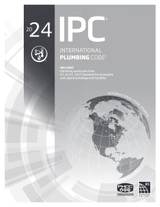
ICC IPC-2024 — 2024 International Plumbing Code (IPC)
Buy the 2024 International Plumbing Code (IPC), the current ICC plumbing code covering fixtures, water supply, sanitary drainage, venting, DWV testing, water heaters, accessibility, storm drainage, an
About this publication
The 2024 International Plumbing Code® (IPC®) is the International Code Council’s comprehensive model code establishing minimum requirements for plumbing systems, plumbing fixtures, water supply and distribution, sanitary drainage, venting, storm drainage, water heaters, traps, interceptors, and related plumbing installations.
Used by plumbing professionals, engineers, architects, contractors, inspectors, plans examiners, building officials, designers, facility professionals, and code consultants, the 2024 IPC provides a coordinated framework for designing and installing plumbing systems that protect public health, safety, water quality, sanitation, and building performance.
The IPC uses both prescriptive and performance-related provisions, giving designers and code officials a recognized framework for conventional plumbing construction while allowing appropriate alternative methods and materials where code requirements are satisfied.
The 2024 Edition contains substantial technical changes from the 2021 IPC. ICC specifically identifies improvements involving underground piping, drain-waste-vent testing, institutional plumbing fixtures, water conservation, water heaters, plastic piping joints, chemical waste systems, and accessibility-related plumbing provisions.
One important addition addresses buried piping installed beneath buildings in expansive soil conditions. The new provisions recognize that expansive soils can move substantially as moisture conditions change, potentially stressing or damaging buried piping. The updated code provides requirements intended to improve support and system resilience under these conditions.
The 2024 IPC also adds a requirement for tracer wire with buried plastic sewer piping. Because nonmetallic underground piping cannot be located as easily using conventional electronic locating equipment, tracer-wire provisions help improve future identification and location of buried sewer systems.
Another practical change is the addition of an option for vacuum testing drain-waste-vent (DWV) piping. This gives contractors, inspectors, and code officials another recognized method for verifying the integrity of DWV systems during construction.
Requirements for plumbing fixtures in Group I institutional occupancies have also been significantly revised. These occupancies include facilities where plumbing design can have direct implications for accessibility, supervision, patient or resident safety, hygiene, and operational needs.
The code includes updated provisions for single-user and multiple-user toilet facilities, including an exception addressing special locking arrangements for certain multiple-user toilet rooms. ICC’s significant-changes material also identifies revisions involving definitions, fixture ratios, signage, and accessible bathing and toilet facilities.
Water conservation is another major focus. The 2024 IPC limits showerhead flow to 2.0 gallons per minute and requires performance consistent with applicable high-efficiency requirements. This reflects continuing code-development efforts to reduce potable water use without sacrificing fixture performance.
Water-heater provisions have also been updated. Plastic pans used beneath gas-fired water heaters must satisfy applicable flame- and smoke-development testing requirements under ASTM E84 or UL 723, addressing fire-performance concerns associated with combustible materials located beneath fuel-fired equipment.
The 2024 edition adds and updates requirements for solvent-cemented plastic piping joints, helping clarify installation practices for commonly used plastic piping systems. It also adds standards addressing chemical waste piping and fittings, improving coverage for laboratories, industrial facilities, healthcare environments, and other buildings where corrosive or chemically aggressive waste may be discharged.
The code continues to provide comprehensive requirements for fixtures, faucets, water distribution systems, sanitary drainage, indirect and special waste, vents, traps, interceptors and separators, storm drainage, and special piping systems. These provisions make the IPC useful across commercial, institutional, multifamily, industrial, and other building types.
An especially valuable feature of the IPC is the inclusion of relevant plumbing- and plumbing-fixture accessibility provisions from ICC A117.1. ICC specifically highlights this integration as one reason the IPC provides particularly comprehensive coverage of plumbing-system requirements.
The 2024 I-Codes also received their largest formatting redesign in approximately 25 years. ICC moved the codes toward a single-column layout, modernized typography, improved grouping of associated content, shaded table headers, and closer alignment between print, PDF, and Digital Codes versions.
Another notable change is the replacement of traditional marginal change markings with QR codes identifying sections that contain technical revisions from the previous edition. This helps users quickly determine where requirements changed between the 2021 and 2024 code cycles rather than hunting through hundreds of pages like a plumbing-code archaeologist.
At 274 pages, the 2024 International Plumbing Code is a substantial but highly usable professional code reference. For plumbing contractors, engineers, inspectors, architects, plans examiners, building officials, and organizations working in jurisdictions adopting the 2024 I-Codes, it provides the current ICC framework for safe and code-compliant plumbing design and installation.
Why This Code Matters
The 2024 International Plumbing Code is an important working reference for professionals involved in plumbing design, installation, inspection, permitting, and code enforcement, including:
Plumbing contractors and master plumbers
Plumbing and mechanical engineers
Architects and design professionals
Building and plumbing inspectors
Plans examiners
Building officials
Code consultants
Construction managers
Facility and maintenance professionals
Developers and owners
Engineering and architecture students
Government and institutional facilities departments
Plumbing and building-code libraries
Product Features
Official 2024 International Plumbing Code®
Published by the International Code Council (ICC)
Comprehensive requirements for plumbing-system design and installation
Covers plumbing fixtures and fixture fittings
Covers potable water supply and distribution
Covers sanitary drainage systems
Covers venting systems
Covers traps, interceptors, and separators
Covers water heaters
Covers indirect and special waste
Covers storm drainage
Includes relevant ICC A117.1 accessibility requirements
Adds support requirements for piping beneath buildings in expansive soils
Requires tracer wire for buried plastic sewer piping
Adds optional vacuum testing for DWV systems
Updates fixture requirements for Group I occupancies
Updates single-user and multiple-user toilet facility provisions
Limits showerhead flow to 2.0 gpm
Updates requirements for plastic water-heater pans
Adds installation requirements for solvent-cemented plastic piping joints
Adds standards for chemical waste piping materials
Includes QR codes identifying technical changes from the 2021 IPC
Updated single-column formatting for improved readability
Comprehensive 274-page code reference
Product Details
Title: ICC IPC-2024 — 2024 International Plumbing Code
Publisher: International Code Council (ICC)
Code Year: 2024
First Printing: June 2023
Number of Pages: 274
Language: English
Soft-Cover ISBN: 978-1-959851-73-8
Loose-Leaf ISBN: 978-1-959851-74-5
PDF ISBN: 978-1-959851-75-2
Designation: IPC-2024
Subject: Plumbing Codes / Building Codes / Water Distribution / Sanitary Drainage / Plumbing Systems
Adoption Note
The International Plumbing Code is a model code. States and local jurisdictions may adopt the 2024 IPC as written or with jurisdiction-specific amendments. Users should verify the legally adopted edition and local amendments applicable to a particular project.