

API Spec 5L Specification for Line Pipe, Forty-Seventh Edition
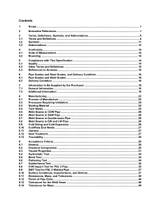
API Spec 5L 47th Edition covers PSL 1 and PSL 2 seamless and welded steel line pipe, HFW quality, sour service, CO2 transport, testing and NDE.
About this publication
Product Description
API Specification 5L, Specification for Line Pipe, Forty-Seventh Edition, is the current American Petroleum Institute specification establishing manufacturing requirements for seamless and welded steel line pipe used in pipeline transportation systems serving the petroleum and natural gas industries.
Originally issued in 1924 as API's first standard, API Spec 5L has served the pipeline industry for more than a century. The 47th Edition, published in June 2026, introduces significant updates across more than 15 technical areas to reflect current pipeline manufacturing technology, inspection practices, service environments and emerging energy-transport applications.
Scope
API Spec 5L specifies requirements for the manufacture of two product specification levels, PSL 1 and PSL 2, of seamless and welded steel pipe intended for use in pipeline transportation systems in the petroleum and natural gas industries.
The specification addresses manufacturing, materials, testing, inspection, marking and traceability requirements needed to produce line pipe suitable for its specified application. Cast pipe is outside the scope of API Spec 5L.
Product Specification Levels — PSL 1 and PSL 2
API Spec 5L establishes two product specification levels that provide different levels of technical requirements for line pipe manufacture.
PSL 1 provides the basic specification level, while PSL 2 incorporates additional or more stringent requirements relating to chemical composition, mechanical properties, testing, inspection, traceability and specialized service conditions.
The required product specification level is selected according to the purchaser's design, operating and service requirements.
Seamless and Welded Steel Line Pipe
The specification applies to both seamless and welded steel line pipe. Requirements vary according to manufacturing route, material, product specification level and specified service conditions.
API Spec 5L establishes controls intended to ensure that line pipe produced using different manufacturing processes meets the applicable dimensional, mechanical, metallurgical and quality requirements.
Pipeline Transportation Applications
Line pipe manufactured to API Spec 5L is used in pipeline systems transporting petroleum, natural gas and other energy products.
Applications can include transmission pipelines, gathering systems and other pipeline transportation facilities where pipe manufacturing quality, mechanical performance, inspection and traceability are essential to system integrity.
47th Edition — 2026
The Forty-Seventh Edition was published in June 2026 and supersedes the Forty-Sixth Edition published in April 2018.
API describes the 47th Edition as a substantial update incorporating industry experience and technical input from subject matter experts in more than a dozen countries.
Major 47th Edition Technical Updates
API identifies changes across more than 15 technical subject areas. Principal revisions include:
- high-frequency welded pipe quality requirements;
- requirements affecting pipe intended for carbon dioxide transportation;
- hydrostatic test pressure gauge calibration;
- nondestructive examination personnel certification;
- magnetic particle testing;
- tensile test flattening requirements;
- records retention;
- sour-service requirements;
- chemical element ranges;
- impact toughness requirements;
- lamination control;
- sulfide stress cracking testing;
- updated manufacturing and inspection requirements.
High-Frequency Welded Pipe
API specifically identifies high-frequency weld (HFW) pipe quality as a major focus of the 47th Edition.
HFW line pipe relies on closely controlled forming, welding, heat treatment and inspection processes. The revised edition strengthens requirements intended to support consistent weld quality and reliable service performance.
Carbon Dioxide Transportation
The 47th Edition adds and revises requirements addressing line pipe used in CO2 transportation systems.
Carbon dioxide pipeline service presents material and operating considerations that can differ from conventional oil and natural-gas transmission. API identifies CO2 transport as one of the principal areas addressed by the new edition.
Sour Service
API Spec 5L contains additional requirements for pipe intended for sour-service applications where hydrogen sulfide can affect material performance.
The 2026 edition includes revisions to sour-service requirements intended to improve consistency in material qualification and performance evaluation.
Sulfide Stress Cracking Testing
The 47th Edition revises requirements associated with sulfide stress cracking testing.
Sulfide stress cracking resistance is an important consideration for line pipe exposed to environments containing hydrogen sulfide, particularly where material strength, chemistry, microstructure and applied stress can influence susceptibility.
Chemical Composition
Steel chemistry influences strength, weldability, toughness, hardness and resistance to environmentally assisted cracking.
The 47th Edition includes revisions to specified chemical element ranges, allowing the material requirements to better reflect current steelmaking practice and performance expectations.
Mechanical Properties
API Spec 5L establishes mechanical-property requirements appropriate to the specified pipe grade, product specification level and intended service.
Mechanical testing provides evidence that the manufactured pipe achieves the required strength, ductility and other applicable performance characteristics.
Tensile Testing
Tensile testing is used to verify specified mechanical properties of the pipe material and, where applicable, welded regions.
API identifies revisions related to tensile test flattening among the changes introduced in the Forty-Seventh Edition.
Impact Toughness
Impact toughness provides information about the ability of steel to resist brittle fracture under applicable loading and temperature conditions.
The 47th Edition revises impact-toughness requirements to strengthen the specification's treatment of fracture-related material performance.
Lamination Control
Laminations are planar discontinuities within steel that can affect the integrity of line pipe under certain fabrication and service conditions.
The 2026 edition includes revised lamination-control requirements, reflecting increased attention to material quality and detection of internal discontinuities.
Hydrostatic Testing
Hydrostatic testing is an important manufacturing verification step for line pipe. Pipe is pressurized with liquid under controlled conditions to demonstrate pressure-boundary integrity and identify unacceptable defects.
The 47th Edition includes updated requirements concerning hydrotest pressure gauge calibration, supporting more reliable and traceable test-pressure measurement.
Nondestructive Examination
Nondestructive examination is used to detect relevant imperfections without damaging the finished pipe.
Depending on the pipe manufacturing process, product specification level and specified requirements, applicable NDE methods can be used to examine the pipe body, weld seam, ends or other critical areas.
NDE Personnel Certification
The 47th Edition updates requirements governing nondestructive examination personnel certification.
Competent and properly qualified NDE personnel are essential because inspection reliability depends not only on equipment but also on the training, qualification and performance of personnel conducting and evaluating examinations.
Magnetic Particle Testing
API specifically identifies revised magnetic particle testing requirements among the Forty-Seventh Edition changes.
Magnetic particle examination can be used to detect surface and near-surface discontinuities in ferromagnetic materials when required by the applicable manufacturing or inspection provisions.
Dimensions and Tolerances
API Spec 5L controls dimensional characteristics needed for consistent line pipe manufacture and field use.
Applicable requirements can address outside diameter, wall thickness, length, straightness, pipe ends and other dimensional characteristics relevant to joining, installation and pipeline operation.
Pipe Ends
Pipe-end condition and dimensional accuracy are important for field welding, joining and pipeline construction.
The specification establishes requirements for applicable end preparation and dimensional characteristics so pipe can be incorporated into pipeline systems using the specified joining method.
Manufacturing Quality
API Spec 5L does more than establish final mechanical properties. It controls aspects of manufacturing that influence the reliability and consistency of the finished product.
These requirements address manufacturing route, material processing, welding quality, inspection, testing, documentation and product identification.
Inspection and Acceptance
Manufactured pipe must satisfy the applicable visual, dimensional, mechanical, nondestructive and pressure-test requirements before acceptance.
Inspection requirements are coordinated with the manufacturing route, pipe type, product specification level and any supplementary or service-specific requirements specified by the purchaser.
Traceability
Traceability allows finished line pipe to be connected with its manufacturing and inspection records.
API Spec 5L includes marking, identification and documentation requirements intended to preserve this connection through manufacture and delivery.
Records Retention
The Forty-Seventh Edition updates records-retention requirements.
Manufacturing and inspection records provide evidence of conformity and can be important when investigating material history, manufacturing conditions or pipeline integrity issues later in the service life of the pipe.
Marking
API Spec 5L establishes product-marking requirements so pipe can be identified by relevant specification, product and manufacturing information.
Required markings support material control, field identification and traceability.
API Monogram Program
API Spec 5L is included in the API Monogram Program. Qualified manufacturers licensed by API can apply the API Monogram to products manufactured in conformity with the applicable specification and Monogram Program requirements.
Ownership of a copy of API Spec 5L does not authorize a manufacturer to apply the API Monogram. Monogram authorization requires separate licensing through API.
47th Edition Monogram Effective Date
API published the Forty-Seventh Edition in June 2026, but the API Monogram Program effective date is July 1, 2027.
API instructs licensed facilities to incorporate the new edition into their quality management systems and ensure that affected personnel are trained and competent to perform the revised requirements by that effective date.
Current Versus Previous Edition
The 47th Edition supersedes API Spec 5L, Forty-Sixth Edition, published in April 2018.
The 46th Edition had remained the primary edition for approximately eight years, making the 2026 release a particularly significant update for manufacturers, purchasers, pipeline engineers and organizations maintaining specifications based on API 5L.
International Technical Input
API reports that subject matter experts from more than a dozen countries contributed technical input to development of the Forty-Seventh Edition.
This international participation reflects the widespread use of API 5L pipe in pipeline transportation systems worldwide.
Pipeline Safety and Reliability
Line pipe forms the primary pressure boundary of a pipeline. Manufacturing defects, poor weld quality, inappropriate material properties or inadequate inspection can significantly affect pipeline integrity.
API Spec 5L establishes manufacturing and verification requirements intended to provide consistent pipe quality before the product enters pipeline service.
Use With Pipeline Design Codes
API Spec 5L is principally a manufacturing specification for the pipe product itself. Pipeline-system design, construction, operation and integrity management are governed by separate codes, standards, regulations and project requirements.
Engineers and purchasers should therefore use API Spec 5L together with the applicable pipeline design code, jurisdictional regulations and project specifications.
Purchaser Requirements
Correct procurement requires the purchaser to specify the applicable pipe characteristics and any supplementary or service-specific requirements needed for the project.
These requirements can influence product specification level, manufacturing route, material properties, inspection, testing and documentation.
Quality Management
Manufacturers applying API Spec 5L within the API Monogram Program must integrate the specification requirements into an appropriate quality management system.
The 2026 API transition notice specifically instructs licensees to review the new edition, incorporate applicable requirements and train affected personnel before the Monogram effective date.
Who Should Use API Spec 5L
- line pipe manufacturers;
- pipeline design engineers;
- pipeline materials engineers;
- metallurgical engineers;
- pipeline operators;
- oil and gas transmission companies;
- CO2 pipeline developers and operators;
- pipeline procurement professionals;
- quality assurance and quality control personnel;
- nondestructive examination personnel;
- pipe mill inspection personnel;
- third-party inspectors;
- API Monogram licensees and applicants;
- engineering, procurement and construction contractors;
- pipeline integrity organizations.
Why the 47th Edition Matters
The 47th Edition is the first full API Spec 5L edition since 2018 and incorporates substantial revisions based on changes in steel manufacturing, inspection technology, pipeline service requirements and industry operating experience.
Its additions for CO2 transportation, HFW pipe quality, sour service, impact toughness, NDE qualification, lamination control and sulfide stress cracking testing make it particularly important for organizations updating procurement specifications and manufacturing systems for current pipeline projects.
Product Features
- Forty-Seventh Edition of API Specification 5L
- Published June 2026
- Current edition
- ANSI approved
- 206 pages
- Covers PSL 1 and PSL 2 line pipe
- Covers seamless and welded steel pipe
- Used for petroleum and natural-gas pipeline transportation systems
- Includes new CO2 pipeline transportation requirements
- Revises high-frequency weld pipe quality requirements
- Updates sour-service requirements
- Updates sulfide stress cracking test requirements
- Revises chemical element ranges
- Updates impact toughness requirements
- Updates lamination-control requirements
- Revises hydrotest pressure gauge calibration requirements
- Updates NDE personnel certification requirements
- Updates magnetic particle testing
- Revises tensile-test requirements
- Updates records retention
- Covers inspection, testing, marking and traceability
- API Monogram Program effective date July 1, 2027
Product Details
- Standard: API Specification 5L
- Title: Specification for Line Pipe
- Edition: Forty-Seventh Edition
- Publisher: American Petroleum Institute
- Publication Date: June 1, 2026
- Page Count: 206
- API Product Code: G5L47
- ANSI Status: ANSI Approved
- Product Specification Levels: PSL 1 and PSL 2
- Previous Edition: API Spec 5L, Forty-Sixth Edition, April 2018
- API Monogram Program Effective Date: July 1, 2027
- Language: English
- Publication Type: Line Pipe Specification
Edition Status Note
API Spec 5L, Forty-Seventh Edition, is the current published edition as of October 2026 and supersedes the Forty-Sixth Edition. API published the new edition in June 2026. For organizations participating in the API Monogram Program, the 47th Edition becomes mandatory for applicable monogrammed production on July 1, 2027.
API's current Monogram standards update page does not list an errata or addendum for the Forty-Seventh Edition as of October 17, 2026. Users should continue to check API's current addenda and errata resources for future updates.