
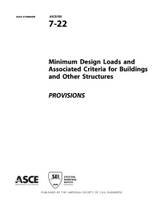
ASCE 7-22 Minimum Design Loads and Associated Criteria for Buildings and Other Structures
Buy ASCE 7-22 Minimum Design Loads and Associated Criteria with Supplements 1, 2 & 3, covering wind, seismic, snow, tornado, flood, rain, ice, tsunami, live loads, and structural load combinations.
About this publication
The ASCE/SEI 7-22 Minimum Design Loads and Associated Criteria for Buildings and Other Structures — Includes Supplements 1, 2 & 3 is the nationally recognized structural loading standard used for the design of buildings and other structures throughout the United States.
Developed by the American Society of Civil Engineers (ASCE) and the Structural Engineering Institute (SEI), ASCE 7 establishes the minimum design loads, load combinations, hazard criteria, and associated requirements that structural engineers use to determine the forces buildings and structures must be designed to resist.
This updated offering includes the ASCE 7-22 base standard together with Supplements 1, 2, and 3, giving engineers and design professionals a substantially more complete working reference than the original base publication alone.
ASCE 7-22 addresses virtually every major structural loading condition encountered in modern building design, including dead loads, live loads, soil loads, hydrostatic pressure, flood loads, tsunami loads, snow loads, rain loads, atmospheric ice, seismic loads, wind loads, tornado loads, fire-related effects, and applicable load combinations.
One of the most important additions in the 2022 edition is the introduction of a dedicated chapter for tornado loads. ASCE 7-22 is the first edition of the standard to establish generally applicable tornado design criteria, representing a major advancement in structural resilience for buildings located in areas where tornado effects must be considered.
The edition also contains substantial revisions to snow-load design. Updated ground-snow-load data use more recent information and reliability-targeted values, while revised procedures for evaluating snow drifting incorporate additional parameters intended to better represent actual accumulation conditions on roofs.
Major changes were also made to seismic design requirements. ASCE 7-22 introduces updated seismic hazard information and revised response-spectrum procedures, along with new and updated seismic force-resisting systems. These provisions reflect continued advances in earthquake engineering, structural research, and reliability-based design.
Wind provisions have also been extensively updated. ASCE 7-22 includes revised hazard information and updated requirements affecting main wind-force-resisting systems, components and cladding, elevated buildings, roof pressures, and other wind-sensitive structural conditions.
Flood-design requirements are particularly important in the supplemented edition. Supplement 2 significantly revises Chapter 5 flood-load provisions, including stronger risk-category-based flood criteria and requirements that account for changes in flood hazard over the expected service life of a structure.
The supplemented standard therefore provides a more current reference for engineers working with structures exposed to changing flood risks, coastal conditions, and other environmental hazards than the original ASCE 7-22 base document by itself.
ASCE 7-22 also includes risk-targeted atmospheric ice-load data for the continental United States and Alaska, bringing atmospheric icing into the same broader reliability-based design philosophy applied to other environmental hazards.
Tsunami provisions include updated hazard information and revised criteria for locations subject to tsunami effects, including updated data for Hawaii and populated areas of California, as well as provisions affecting certain above-ground horizontal pipelines.
The standard addresses a wide range of structural systems and building configurations. New or revised provisions include requirements for cross-laminated timber shear walls, steel and concrete coupled composite plate shear walls, reinforced concrete ductile coupled shear walls, concrete tabletop structures, rigid-wall flexible-diaphragm buildings, supported and interconnected nonbuilding structures, and ground-mounted solar facilities.
ASCE 7-22 is designed to coordinate with the major structural material standards used by engineers, including standards from AISC, ACI, AISI, AWC, and TMS. It establishes the loads and load combinations that are then used with those material-specific standards for the design of steel, concrete, masonry, wood, cold-formed steel, and other structural systems.
The standard is deeply integrated into the U.S. building-code system and is referenced by newer model codes including the 2024 International Building Code (IBC). This makes ASCE 7-22 particularly important for engineers, architects, building officials, and plan reviewers working under the current generation of building codes.
Another important component is the ASCE Hazard Tool, which provides geographic hazard data used with ASCE 7. Engineers can obtain location-specific design information for environmental hazards rather than relying solely on printed national maps.
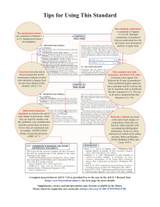
The standard also contains extensive commentary, providing additional technical explanation, background information, and insight into the intent behind many of the provisions. This makes ASCE 7-22 valuable not only when performing calculations but also when interpreting requirements and resolving unusual design conditions.
With Supplements 1, 2, and 3 included, this listing gives structural professionals a more complete ASCE 7-22 reference for current engineering work. For firms maintaining controlled standards libraries, design procedures, calculation templates, and code-compliance references, the supplement status is especially important because the supplements extend and revise provisions after publication of the original standard.
At approximately 1,046 pages for the base standard, ASCE 7-22 is one of the most substantial structural engineering standards in regular professional use. Combined with Supplements 1, 2, and 3, it provides a powerful working reference for determining the loads that buildings and other structures must safely resist.
Why This Standard Matters
ASCE 7-22 with Supplements 1, 2 & 3 is an essential reference for professionals responsible for structural design and code compliance, including:
Structural engineers
Civil engineers
Architects
Building officials and plan reviewers
Structural consultants
Seismic design professionals
Wind engineering professionals
Flood and coastal design professionals
Contractors and design-build teams
Code consultants
Government and institutional engineering departments
Engineering educators and students
Structural engineering standards libraries
Product Features
Official ASCE/SEI 7-22 structural loading standard
Includes Supplement 1
Includes Supplement 2
Includes Supplement 3
Provides current supplemented ASCE 7-22 provisions in one reference package
Nationally recognized loading standard for general structural design
Covers dead loads
Covers live loads
Covers soil and hydrostatic loads
Covers flood loads
Covers tsunami loads
Covers snow loads
Covers rain loads
Covers atmospheric ice
Covers seismic loads
Covers wind loads
Introduces dedicated tornado-load provisions
Includes required structural load combinations
Includes updated ground-snow-load criteria
Includes revised snow-drift procedures
Includes updated seismic hazard and response-spectrum provisions
Includes updated wind-design criteria
Includes risk-targeted atmospheric ice data
Includes updated tsunami provisions
Supplement 2 includes major revised flood-load provisions
Supports risk-category-based structural design
Coordinates with AISC, ACI, AISI, AWC, TMS, and other structural standards
Referenced by current building-code frameworks including the 2024 IBC
Supported by the ASCE Hazard Tool
Includes extensive engineering commentary
Included Supplements
ASCE/SEI 7-22 Supplement 1
Includes approved extensions and revisions to the original ASCE 7-22 provisions.
ASCE/SEI 7-22 Supplement 2
Includes significant revisions to flood-load provisions, strengthening the relationship between flood design and structural Risk Category and addressing changing flood conditions over a structure’s service life.
ASCE/SEI 7-22 Supplement 3
Includes additional committee-approved extensions and revisions to the ASCE 7-22 standard.
Together, Supplements 1, 2, and 3 provide an updated working reference beyond the original ASCE 7-22 publication.
Product Details
Title: ASCE/SEI 7-22 Minimum Design Loads and Associated Criteria for Buildings and Other Structures
Publisher: American Society of Civil Engineers (ASCE) / Structural Engineering Institute (SEI)
Edition: 2022
Number of Pages: 1,046 — Base Standard
Print ISBN: 978-0-7844-1578-8
PDF ISBN: 978-0-7844-8349-7
Status: Active
Supersedes: ASCE/SEI 7-16
Included Updates: Supplement 1, Supplement 2, Supplement 3
Subject: Structural Engineering / Design Loads / Building Codes / Wind / Seismic / Snow / Tornado / Flood