
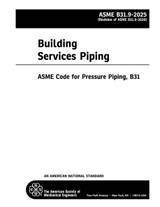
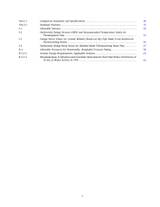
ASME B31.9-2025 Building Services Piping
ASME B31.9-2025 covers design, materials, fabrication, installation, inspection and testing of building service piping systems.
About this publication
Product Description
ASME B31.9-2025, Building Services Piping, is a section of the ASME B31 Code for Pressure Piping that establishes requirements for piping systems in industrial, institutional, commercial and public buildings and in multi-unit residences. It is intended for building service piping that does not require the broader ranges of pipe sizes, pressures and temperatures covered by ASME B31.1, Power Piping.
The Code provides an integrated set of requirements covering design, materials, components, fabrication, assembly, erection, inspection, examination and testing. It is used by engineers, owners, designers, contractors, inspectors, authorities having jurisdiction and manufacturers involved with building piping systems.
Scope and Building Services Covered
ASME B31.9 applies to specified building services within the building or within the property limits. Covered services include water and antifreeze solutions used for heating and cooling, condensing water, steam and condensate, other nontoxic liquids, vacuum service, compressed air, other nontoxic and nonflammable gases, and combustible liquids including fuel oil.
The scope establishes defined service, material, size, pressure and temperature limits that distinguish B31.9 applications from piping governed by other ASME B31 Code sections.
Relationship to ASME B31.1
B31.9 is specifically intended for building service applications that do not require the full range of pressures, temperatures and sizes covered by ASME B31.1. The Code nevertheless interfaces with B31.1 in several technical areas and directs users to B31.1 requirements where appropriate.
Boiler external piping above the pressure or temperature limits established in B31.9 falls within the scope of ASME B31.1. This division of jurisdiction is important when determining which Code section applies to piping connected to boilers and related building systems.
Design Requirements
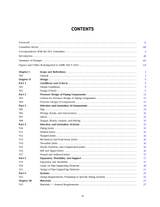
Chapter II establishes design requirements for building service piping. The design rules address pressure design, piping components, joints, expansion and flexibility, supports and requirements associated with specific piping systems.
The Code requires the engineering design to consider the applicable service conditions and loads so that the piping system, components, joints and supports are suitable for intended operation.
Design Conditions
Design provisions establish the conditions that must be considered when determining the suitability of piping and components. These include applicable pressure, temperature and other loads acting on the piping system during operation.
Pressure Design of Piping Components
The Code provides requirements for the pressure design of straight pipe, fittings, branch connections and other pressure-containing components. Where components conform to listed standards, their established pressure-temperature ratings can be used subject to the applicable B31.9 requirements.
Branch Connections
ASME B31.9 addresses the strength and reinforcement of branch connections. The design rules consider the weakening created by openings in the run pipe and establish when additional reinforcement is required.
Piping Joints
The Code contains requirements for the joint types used to assemble building service piping. Requirements are organized around the joining processes and component types used for metallic and nonmetallic systems.
Welded Joints
Welded joints are permitted for materials for which the applicable welding procedures, welders and welding machine operators have been qualified as required by the Code. Requirements address butt welds, miter welds, socket welds and other welded configurations used in building piping.
Threaded Joints
Threaded piping joints are addressed with requirements for acceptable thread forms and their application. Tapered pipe threads conforming to recognized standards form an important part of these provisions.
Brazed and Soldered Joints
Brazed and soldered socket-type joints are addressed for appropriate materials and service conditions. The Code connects use of these joining methods with compatible filler metals, base materials, pressures and temperatures.
Other Joint Types
The design chapter also addresses additional joint and connection methods applicable to permitted piping materials and components, with requirements linked to the suitability of the joint for its intended service.
Expansion and Flexibility
Building piping systems subject to thermal expansion, contraction or other imposed movements must be designed so that those movements do not produce unacceptable stresses, fatigue, joint leakage or damaging forces and moments on connected equipment.
The Code addresses piping flexibility together with anchors, guides and supports so that movement can be accommodated while maintaining the integrity and intended alignment of the piping system.
Pipe-Supporting Elements
ASME B31.9 contains design requirements for piping supports and supporting elements. Proper support is necessary to control weight, movement and other loads while preventing excessive stress or distortion in piping and connected equipment.
The support provisions work together with the Code's expansion and flexibility requirements and with recognized component and support standards incorporated by reference.
Materials
Chapter III establishes general material requirements for piping within the scope of B31.9. Materials must be suitable for the applicable pressure, temperature, service and fabrication conditions.
The Code covers metallic and specified nonmetallic piping materials and provides rules for listed and, under defined conditions, unlisted materials.
Carbon Steel and Stainless Steel
Carbon steel and stainless steel piping are within the scope of the Code subject to specified dimensional and service limitations. Mandatory stress tables provide allowable stress information for applicable metallic materials.
Copper and Copper Alloys
Brass, copper pipe and copper tubing are addressed within the material and dimensional limits established by the Code and are widely relevant to heating, cooling, water and other building service systems.
Thermoplastic Piping
Thermoplastic piping is included within the Code's scope subject to applicable material, pressure, temperature and size limitations. Design and fabrication requirements account for the characteristics of nonmetallic piping rather than simply applying metallic-piping rules unchanged.
Reinforced Thermosetting Resin Piping
Reinforced thermosetting resin, or RTR, piping is also addressed. The Code includes supporting design information for contact-molded and machine-made thermosetting resin piping.
Ductile Iron and Other Materials
Ductile iron is included among the piping materials within the specified scope. The Code also provides a framework for use of other materials where the requirements for their qualification and suitability are satisfied.
Component Requirements and Standard Practices
Chapter IV addresses dimensions and ratings of piping components and identifies recognized standards incorporated into B31.9. Listed standards provide dimensional, material, pressure-rating and construction requirements for many commonly used piping components.
Table 926.1-1 identifies numerous standards and specifications from organizations including ASME, ASTM International, AWS, AWWA, MSS and other recognized standards-development organizations.
Fabrication, Assembly and Erection
Chapter V establishes requirements governing fabrication, assembly and erection of building service piping. These provisions help ensure that a system designed in accordance with the Code is constructed without introducing unacceptable defects, misalignment or other conditions that compromise its integrity.
Welded Fabrication
The Code addresses welded fabrication of metals, including joint preparation, alignment, welding requirements and qualification of welding procedures and personnel as applicable.
Brazing and Soldering
Requirements for brazing and soldering address preparation and execution of joints in materials and services for which these joining processes are permitted.
Bending and Forming
Requirements for bending and forming help ensure that fabrication processes do not produce unacceptable thinning, distortion or other conditions in the finished piping.
Heat Treatment
The fabrication chapter contains heat-treatment provisions applicable where thermal treatment is required by the material, fabrication method or other Code requirements.
Fabrication of Nonmetals
Nonmetallic piping is addressed through dedicated fabrication requirements reflecting the different joining methods and material behavior associated with these systems.
Assembly and Erection
Assembly requirements address alignment, joining, bolting and other operations performed as piping is installed. The Code also considers supports, guides, anchors and cold spring where applicable to the completed system.
Inspection and Examination
Chapter VI establishes inspection and examination requirements. Before initial operation, the owner is responsible for verifying that required examinations and testing have been completed and that the piping conforms to applicable Code and engineering-design requirements.
Visual Examination
Visual examination covers accessible materials, components, joints, supports and other piping elements before, during or after manufacture, fabrication, assembly and erection. It includes verification of materials, components, dimensions, joint preparation, alignment, joining practices and support installation.
Acceptance Criteria
The Code establishes acceptance criteria for imperfections or indications identified during examination. Conditions exceeding the permitted limitations are treated as defects requiring appropriate repair or replacement.
Leak Testing
ASME B31.9 contains requirements for leak testing completed before the piping system is placed into service. Testing is an essential final verification that the assembled pressure boundary is capable of satisfying applicable Code requirements.
The leak-testing provisions address preparation for testing and the appropriate test method and conditions for the piping system involved.
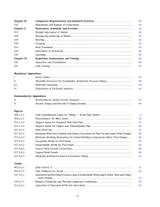
Mandatory Appendices
The 2025 Code contains mandatory supporting information integral to application of B31.9.
- Mandatory Appendix I: Stress Tables
- Mandatory Appendix II: Allowable Pressures for Nonmetallic, Nonplastic Pressure Piping
- Mandatory Appendix III: Reference Standards
The 2025 edition deleted former Mandatory Appendix IV concerning preparation of technical inquiries as part of the revision and editorial restructuring.
Nonmandatory Appendices
The Code also includes nonmandatory guidance that can assist organizations implementing the technical requirements.
- Nonmandatory Appendix A: Nonmandatory Quality System Program
- Nonmandatory Appendix B: Seismic Design and Retrofit of Piping Systems
Seismic Design and Retrofit
Nonmandatory Appendix B provides guidance for seismic design and retrofit of piping systems. It addresses concepts applicable to piping subjected to earthquake-related loads and includes supporting information concerning seismic restraint.
2025 Edition Changes
ASME B31.9-2025 is a revision of ASME B31.9-2020. ASME identifies several important technical and editorial changes in the 2025 edition.
Stainless Steel Allowable Stresses
ASME states that the revision adds allowable stresses for austenitic stainless steels to Mandatory Appendix I, Table I-1. This expands and updates the stress information available to designers applying B31.9 to stainless steel building service piping.
MSS SP-119 Added
MSS SP-119 was added to Table 926.1-1 as a referenced component standard in the 2025 edition.
Service Terminology Changes
The 2025 revision changes terminology in several provisions, including replacement of references to flammable service with combustible service where identified in the Summary of Changes. Other affected paragraphs were revised to reflect the updated scope and terminology.
Component and Fabrication Revisions
The official Summary of Changes identifies revisions across design, materials, fabrication, inspection and testing provisions, including paragraphs dealing with design criteria, pipe and component requirements, welded fabrication, inspection acceptance criteria and leak testing.
Updated Reference Standards
Mandatory Appendix III was revised to update the referenced editions of standards and specifications incorporated by B31.9.
Editorial Redesignation
Many figures and tables were editorially redesignated in the 2025 edition, and associated cross-references were updated. ASME provides a table mapping former and current figure and table designations.
ANSI Approval and Effective Date
ASME B31.9-2025 was approved by the American National Standards Institute on June 17, 2025 and issued by ASME on September 1, 2025. The Code states that the edition becomes effective six months after its date of issuance.
Relationship to Other ASME B31 Codes
B31.9 is one section of the larger ASME B31 Code for Pressure Piping. Other B31 sections address applications such as power piping, process piping, pipeline transportation systems, refrigeration piping, gas transmission and distribution systems and hydrogen piping.
Selection of the correct B31 Code section depends on the service, facility, design conditions and jurisdiction involved. B31.9 is specifically tailored to qualifying building service piping rather than the broader process or power piping applications governed by other sections.
Who Should Use ASME B31.9-2025
- Mechanical and piping engineers
- Building-services engineers
- HVAC system designers
- Architectural and engineering firms
- Commercial and institutional facility engineers
- Building owners and operators
- Authorities having jurisdiction
- Code officials and regulators
- Piping inspectors and examination personnel
- Mechanical contractors and piping fabricators
- Component and piping manufacturers
- Quality assurance and quality control personnel
- Engineering and procurement organizations preparing piping specifications
Why This Code Matters
Building service piping can involve pressurized water, steam, condensate, compressed air, vacuum service, gases and combustible liquids distributed throughout occupied facilities. Failures can affect personnel safety, equipment reliability, building operations and property. ASME B31.9 provides a coordinated engineering framework for designing and constructing these systems within defined service limits.
Its value lies in connecting material selection, component ratings, design calculations, joining methods, supports, fabrication controls, examination and testing within one Code section specifically developed for building services rather than forcing designers to apply requirements created for substantially more severe industrial piping conditions.
Product Features
- 2025 edition of ASME B31.9 Building Services Piping
- Part of the ASME B31 Code for Pressure Piping
- American National Standard
- Covers industrial, institutional, commercial and public buildings
- Covers qualifying multi-unit residential building piping
- Addresses heating and cooling water and antifreeze systems
- Covers condensing water, steam and condensate
- Addresses vacuum and compressed-air systems
- Covers nontoxic nonflammable gases and combustible liquids within Code limits
- Includes pressure design and component requirements
- Addresses welded, threaded, brazed and soldered joints
- Covers expansion, flexibility and piping supports
- Includes metallic and nonmetallic material requirements
- Addresses fabrication, assembly and erection
- Includes inspection, examination and leak-testing requirements
- Provides mandatory allowable-stress tables
- Includes nonmetallic pressure-piping information
- Includes seismic design and retrofit guidance
- Adds allowable stresses for austenitic stainless steels in the 2025 edition
- Adds MSS SP-119 to referenced standards
- Updates reference standards and numerous technical provisions from the 2020 edition
Product Details
- Standard: ASME B31.9-2025
- Title: Building Services Piping
- Code Series: ASME Code for Pressure Piping, B31
- Publisher: ASME International
- Edition: 2025 Edition
- Publication Date: September 1, 2025
- Publication Year: 2025
- Print ISBN: 9780791877579
- Page Count: 86
- ASME Print Order Number: A11625
- ANSI Status: American National Standard
- ANSI Approval Date: June 17, 2025
- Previous Edition: ASME B31.9-2020
- Language: English
- Publication Type: Code / Standard
Edition Status Note
ASME B31.9-2025 is the current edition of Building Services Piping and supersedes ASME B31.9-2020. ASME identifies the 2025 edition as remaining in effect and has placed B31.9 on stabilized maintenance. The ASME product page identifies the principal revision topics as new allowable stresses for austenitic stainless steels and revisions to referenced standards, while the complete Summary of Changes documents additional technical and editorial revisions throughout the Code.