
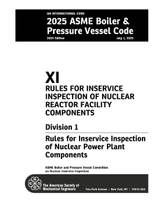
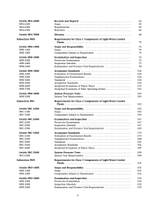
ASME BPVC.XI.1-2025 Section XI, Rules for Inservice Inspection of Nuclear Reactor Facility Components, Division 1, Rules for Inservice Inspection of Nuclear Power Plant Components
Buy ASME BPVC.XI.1-2025 Section XI, Division 1, Rules for Inservice Inspection of Nuclear Power Plant Components. Essential ASME nuclear inspection code for engineers, inspectors, QA teams
About this publication
The ASME BPVC.XI.1-2025 Section XI standard is a core nuclear code reference for nuclear engineers, inservice inspection specialists, Authorized Nuclear Inservice Inspectors, QA teams, maintenance and outage planners, owner-operators, compliance professionals, and technical organizations that need current ASME requirements for inservice inspection of nuclear power plant components. ASME’s 2025 BPVC listings identify BPVC.XI.1 - 2025 as the active Division 1 volume for this subject, with ISBN 9780791877272 and product code 500111.
This is not a general nuclear overview title. It is one of the central working volumes used to maintain nuclear power plants while they are in operation and to support return to service after outages. Current product listings state that the rules require a mandatory program to demonstrate adequate safety and manage deterioration and aging effects, and they also define the duties of the Authorized Nuclear Inservice Inspector in verifying completion of that program before the plant returns to service.
A major strength of ASME BPVC.XI.1-2025 is its practical scope. Current descriptions state that this Division provides rules for the examination, inspection, and testing of components in light-water-cooled nuclear power plants, along with NDE methods, qualifications, and requirements, evaluation and acceptance standards for flaws, defects, and relevant conditions, and repair/replacement processes and correction actions. That makes it especially valuable for buyers who need more than a high-level compliance reference and instead require a true working code book for inspection programs, outage planning, condition evaluation, repair decisions, and return-to-service support.
This edition is especially important for organizations that want the current 2025 ASME code cycle for plant support, library updates, quality systems, regulatory alignment, and long-term technical use. ASME’s 2025 BPVC catalog lists BPVC.XI.1 among the active nuclear Section XI publications, and the 2025 order materials list the title with the same ISBN and product code you provided. For serious nuclear code users, current-edition status matters because inspection, evaluation, and repair activities must align with the edition applied on the job.
At 797 pages, this is a substantial and highly specialized nuclear code reference. That size reflects its role as a full working standard rather than a short guidance document. For many buyers, that is exactly the value: a current ASME Section XI Division 1 volume that supports inspection, testing, aging management, flaw evaluation, and repair/replacement work in operating nuclear power plants.
Why This Standard Matters
The ASME BPVC.XI.1-2025 standard is a strong choice for professionals who need current ASME rules for inservice inspection of nuclear power plant components. It is especially well suited for:
Nuclear engineers and inservice inspection specialists
Authorized Nuclear Inservice Inspectors
Outage, maintenance, and integrity teams
QA and compliance professionals
Owner-operators and technical review groups
Nuclear engineering and ASME code libraries
Product Features
Official ASME BPVC.XI.1-2025 standard
Part of ASME Section XI for inservice inspection of nuclear reactor facility components.
Covers examination, inspection, testing, NDE methods, qualification requirements, flaw evaluation, repair/replacement processes, and correction actions.
Intended for components in light-water-cooled nuclear power plants.
Supports mandatory programs for safety, deterioration control, and aging management.
Valuable for outage support, return-to-service review, inspection planning, and regulatory compliance
Practical 797-page nuclear code reference.
Product Details
Title: ASME BPVC.XI.1-2025 Section XI, Rules for Inservice Inspection of Nuclear Reactor Facility Components, Division 1, Rules for Inservice Inspection of Nuclear Power Plant Components
Publisher: ASME
Published: July 1, 2025
ISBN: 9780791877272
Number of Pages: 797
Product Code: 500111