
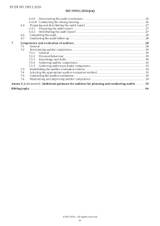
BS EN ISO 19011:2026 Guidelines for Auditing Management Systems
Buy BS EN ISO 19011:2026 Guidelines for Auditing Management Systems, the current standard for audit principles, audit programmes, internal and external audits, auditor competence, remote auditing, and
Wrong edition, wrong file, or a file that won’t open? We replace or refund — contact us within 7 days.
About this publication
The BS EN ISO 19011:2026 Guidelines for Auditing Management Systems standard is the current international framework for planning, managing, conducting, reviewing, and improving management system audits. It is an essential professional reference for internal auditors, lead auditors, quality managers, environmental and compliance professionals, audit programme managers, consultants, certification specialists, and organizations operating ISO-based management systems.
BS EN ISO 19011:2026 provides guidance covering the principles of auditing, management of an audit programme, conducting management system audits, and evaluation of the competence of individuals involved in the audit process. This includes audit programme managers, individual auditors, technical experts, and audit teams.
The standard is intentionally management-system neutral, meaning its guidance can be used across multiple disciplines rather than being limited to a single ISO standard. It is highly relevant to organizations operating systems based on ISO 9001 quality management, ISO 14001 environmental management, ISO 45001 occupational health and safety, ISO/IEC 27001 information security, and other management-system standards.
A major reason the 2026 edition matters is the rapid change in how audits are now performed. Remote and hybrid audits, virtual workplaces, cloud platforms, digital records, video conferencing, automated systems, data analytics, artificial intelligence, and other technologies have fundamentally changed the audit environment. BS EN ISO 19011:2026 expands its guidance to help auditors and organizations address these modern conditions more effectively.
One of the most significant updates is the expanded treatment of remote auditing methods and virtual locations. The 2026 edition incorporates additional guidance for situations where auditors cannot, or do not need to, perform every activity physically on site. This makes the standard particularly relevant to multinational organizations, remote work environments, geographically distributed operations, digital businesses, and organizations using hybrid audit programmes.
The revised edition also gives greater attention to the use of technology and digital tools within audit programmes. Audit teams increasingly rely on electronic records, cloud-based systems, remote interviews, digital collaboration platforms, drones, data analytics, artificial intelligence, automated monitoring, and other technologies. Auditors therefore need to understand both the opportunities and limitations these tools introduce.
Auditor competence remains one of the central themes of ISO 19011. Effective auditing requires far more than following a checklist. Auditors must understand the organization, applicable audit criteria, risk, evidence, technology, communication, professional judgment, and the management system being evaluated. The standard provides a framework for determining, developing, maintaining, and evaluating the competence required by audit programme managers, auditors, and audit teams.
The principles of auditing remain fundamental to the standard and include integrity, fair presentation, due professional care, confidentiality, independence, an evidence-based approach, and a risk-based approach. These principles help ensure that audits are credible, objective, consistent, and capable of producing findings that management and other interested parties can trust.
BS EN ISO 19011:2026 also provides extensive guidance for managing an audit programme. This includes establishing audit programme objectives, identifying and evaluating risks and opportunities, assigning responsibilities and resources, implementing the programme, monitoring its performance, and reviewing and improving it over time.
For individual audits, the standard provides guidance covering the complete audit lifecycle, including initiating the audit, preparing audit activities, conducting the audit, gathering and verifying information, generating audit findings, preparing conclusions, reporting results, and completing follow-up activities where applicable.
The new edition places increased emphasis on risk analysis and mitigation. Audit programme risks can arise from inadequate competence, poor planning, technological limitations, information-security weaknesses, insufficient resources, inappropriate audit methods, or incomplete evidence. A risk-based approach helps organizations focus auditing effort where it can provide the greatest value.
Data security and confidentiality are increasingly important during modern audits. Remote access to organizational systems, cloud-based documentation, electronic evidence, recordings, digital communication, and shared platforms can introduce risks that traditional on-site audit programmes did not face to the same degree. The 2026 edition strengthens the relevance of these issues within audit planning and execution.
BS EN ISO 19011:2026 is useful for first-party, second-party, and third-party audit environments. Organizations can use it for internal audits, supplier audits, external-provider audits, customer-related audits, and other management-system evaluations where a structured and competent audit approach is required.
Importantly, ISO 19011 is not itself a certification standard. Organizations are not certified “to ISO 19011.” Instead, it provides internationally recognized guidance that supports effective auditing of certifiable management systems such as ISO 9001, ISO 14001, ISO 45001, and ISO/IEC 27001.
The 2026 Fourth Edition supersedes BS EN ISO 19011:2018, making it especially important for organizations updating internal audit procedures, auditor training materials, audit programmes, integrated management systems, and controlled standards libraries.
At 58 pages, the British edition provides a concise but substantial working framework for organizations that want audits to do more than produce another folder of completed checklists. Properly applied, ISO 19011 helps audits become a genuine tool for verifying conformity, identifying risk, evaluating effectiveness, improving management systems, and strengthening organizational performance.
Why This Standard Matters
BS EN ISO 19011:2026 is an essential reference for professionals responsible for management-system auditing, including:
Internal auditors
Lead auditors
Audit programme managers
Quality managers and QMS teams
Environmental and sustainability professionals
Health and safety management teams
Information security and compliance professionals
Supplier-quality and second-party audit teams
Certification and conformity-assessment professionals
Management-system consultants
Risk and governance professionals
Organizations operating integrated management systems
Auditor training and professional-development programmes
Product Features
Current BS EN ISO 19011:2026 standard
British and European adoption of ISO 19011:2026
Based on ISO 19011 Edition 4
Supersedes BS EN ISO 19011:2018
Provides guidance on the principles of auditing
Covers management of audit programmes
Provides structured guidance for conducting management-system audits
Addresses competence and evaluation of auditors and audit teams
Covers competence of audit programme managers
Incorporates an evidence-based approach
Incorporates a risk-based approach
Expands guidance on remote auditing methods
Expands guidance relating to virtual locations
Addresses use of technology and digital tools during audits
Relevant to cloud platforms, video conferencing, data analytics, AI, and automated systems
Strengthens consideration of data security and confidentiality
Covers audit programme risks and opportunities
Supports internal, supplier, external, and integrated management-system audits
Applicable across industries and organization sizes
Supports auditing of ISO 9001, ISO 14001, ISO 45001, ISO/IEC 27001, and other management systems
Product Details
Title: BS EN ISO 19011:2026 Guidelines for Auditing Management Systems
Publisher: British Standards Institution (BSI) / European Committee for Standardization / International Organization for Standardization
Edition: 2026 / ISO Edition 4
Published: May 2026
ISBN: 9780539312911
Number of Pages: 58
Product Code: 30490401
Status: Current
Supersedes: BS EN ISO 19011:2018
International Relationship: Identical to EN ISO 19011:2026 and ISO 19011:2026
Subject: Management-System Auditing / Quality / Compliance / Conformity Assessment