

ISO 13485:2016 Medical devices — Quality management systems — Requirements for regulatory purposes
ISO 13485:2016 Medical devices — Quality management systems — Requirements for regulatory purposes (3rd) — available for instant access at Publications Office.
About this publication
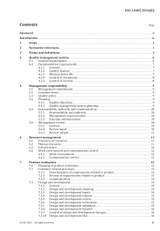
The ISO 13485:2016 Medical Devices — Quality Management Systems — Requirements for Regulatory Purposes standard is the internationally recognized quality management system framework developed specifically for the medical device industry. It is an essential reference for medical device manufacturers, suppliers, contract manufacturers, regulatory professionals, quality managers, auditors, consultants, and organizations involved throughout the medical device product life cycle.
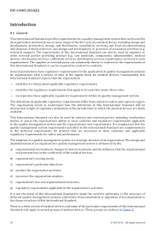
Unlike a general quality management standard, ISO 13485 is specifically designed around the regulatory, safety, and quality requirements associated with medical devices. It establishes requirements for a Quality Management System (QMS) that helps an organization demonstrate its ability to consistently provide medical devices and related services that meet both customer expectations and applicable regulatory requirements.
The standard is applicable to organizations involved in the design, development, production, installation, servicing, storage, distribution, and support of medical devices, as well as suppliers and external organizations providing products or QMS-related services to medical device companies. This broad applicability makes ISO 13485 one of the central management system standards used throughout the global medical device supply chain.
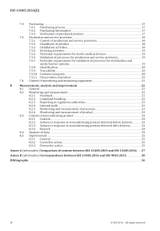
A major focus of ISO 13485:2016 is the integration of risk-based thinking and regulatory requirements throughout the quality management system. Medical device organizations must maintain controlled processes that address issues such as design and development, purchasing and supplier control, production, service activities, product traceability, process validation, monitoring and measurement, nonconforming product, corrective action, and documented quality records.
The standard places particular emphasis on maintaining effective controls throughout the medical device life cycle. This includes establishing documented procedures, validating processes where outputs cannot be fully verified through later inspection or testing, maintaining appropriate records, controlling changes, monitoring product and process performance, and addressing problems through structured corrective and preventive processes.
ISO 13485 also provides an important foundation for organizations seeking to demonstrate that their quality systems are capable of supporting medical device regulatory compliance and market access. Regulators, customers, manufacturers, suppliers, and conformity-assessment organizations around the world frequently rely on ISO 13485 as an internationally recognized benchmark for medical device quality management.
The standard is related to ISO 9001 but serves a distinctly different purpose. ISO 9001 is a general quality management standard applicable across industries, while ISO 13485 is specifically tailored to medical devices and places greater emphasis on regulatory requirements, risk management, process validation, documentation, traceability, and maintaining effective controls within the medical device environment.
The 2016 edition remains current. ISO completed another systematic review in 2025 and confirmed ISO 13485:2016 without replacement. That makes this edition especially important for organizations updating controlled standards libraries or verifying that they are working from the current international reference rather than assuming that its 2016 publication date means it has been superseded.
At 36 pages, ISO 13485:2016 is relatively concise, but its requirements can affect virtually every major element of a medical device quality system. For companies operating in this highly regulated industry, it is a core professional standard for building, maintaining, auditing, and improving a QMS capable of supporting consistent product quality and regulatory compliance.
Why This Standard Matters
ISO 13485:2016 is a core reference for organizations that manufacture, supply, support, or regulate medical devices. It is especially valuable for:
Medical device manufacturers
Medical device design and development organizations
Contract manufacturers
Component and material suppliers
Quality managers and QMS professionals
Regulatory affairs teams
Internal and external auditors
Medical device consultants
Testing and inspection organizations
Distribution and servicing organizations
Organizations preparing for ISO 13485 certification
Medical device and regulatory standards libraries
Product Features
Official ISO 13485:2016 International Standard
Current 3rd Edition
Reviewed and confirmed by ISO in 2025
Establishes QMS requirements specifically for the medical device industry
Supports compliance with applicable regulatory requirements
Applicable to organizations of different sizes and positions within the medical device supply chain
Covers organizations involved in design, production, installation, and servicing
Also applicable to suppliers and external parties providing products or QMS-related services
Emphasizes risk management throughout quality system processes
Addresses design and development controls
Supports structured supplier and purchasing controls
Addresses production and service-process controls
Includes requirements relating to process validation
Supports product identification and traceability
Addresses monitoring, measurement, and control of nonconforming product
Supports corrective action and continual QMS effectiveness
Places strong emphasis on documentation and regulatory records
Designed specifically for medical device quality and regulatory environments
Product Details
Title: ISO 13485:2016 Medical Devices — Quality Management Systems — Requirements for Regulatory Purposes
Publisher: International Organization for Standardization (ISO)
Edition: 3rd
Published: March 2016
Number of Pages: 36
Status: Current / Confirmed
Last Systematic Review: Confirmed in 2025
Technical Committee: ISO/TC 210
Subject: Medical Device Quality Management Systems / Regulatory Compliance