
ISO 19011:2026 Guidelines for Auditing Management Systems
Buy ISO 19011:2026 Guidelines for Auditing Management Systems, the current ISO standard for audit principles, internal and external audits, audit programmes, auditor competence, risk-based auditing, a
Wrong edition, wrong file, or a file that won’t open? We replace or refund — contact us within 7 days.
About this publication
The ISO 19011:2026 Guidelines for Auditing Management Systems standard provides the current international framework for the principles, planning, management, execution, reporting, and improvement of management system audits. It is a core professional reference for internal auditors, lead auditors, audit programme managers, quality professionals, environmental and safety teams, compliance specialists, consultants, and organizations responsible for evaluating ISO-based management systems.
Published by the International Organization for Standardization (ISO), ISO 19011 provides guidance for auditing management systems such as ISO 9001 quality management systems and ISO 14001 environmental management systems, while its methodology can support auditing across many other management-system disciplines. It establishes a consistent approach that helps organizations conduct audits more effectively, develop competent auditors, and manage audit programmes systematically.
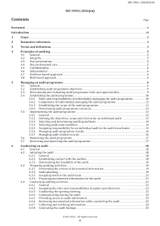
The standard addresses three major areas: the principles of auditing, management of an audit programme, and conducting individual management system audits. It also provides a framework for determining and evaluating the competence of auditors, audit teams, and personnel responsible for managing audit programmes.
The 2026 Fourth Edition replaces ISO 19011:2018 and responds to substantial changes in how organizations operate and how audits are performed. ISO specifically identifies the growing impact of technology, digitization, virtual environments, and increased risk analysis and mitigation as important drivers behind the revision. These changes make the new edition particularly relevant to organizations conducting remote, hybrid, technology-supported, and increasingly data-driven audits.
A major strength of ISO 19011 is its foundation in recognized auditing principles. The 2026 edition continues to address integrity, fair presentation, due professional care, confidentiality, independence, an evidence-based approach, and a risk-based approach. These principles help auditors produce findings and conclusions that are objective, credible, consistent, and useful to management.
The standard provides detailed guidance for managing an audit programme, beginning with the establishment of programme objectives and continuing through identification of risks and opportunities, allocation of resources, implementation, monitoring, review, and improvement. This makes ISO 19011 valuable not only for individual auditors but also for organizations coordinating multiple internal, supplier, corporate, or external audits throughout the year.
ISO 19011:2026 also guides users through the complete lifecycle of an individual audit. This includes initiating the audit, preparing audit activities, conducting audit activities, collecting and evaluating evidence, preparing audit findings and conclusions, preparing and distributing the audit report, and completing the audit process.
Auditor competence is another critical element. Effective auditing requires more than following a checklist. Auditors need appropriate knowledge, skills, professional judgment, communication ability, technical understanding, and familiarity with the management system being evaluated. ISO 19011 provides a framework organizations can use to determine, evaluate, maintain, and improve the competence of auditors and audit teams.
The standard is particularly valuable for organizations operating integrated management systems. Companies may need to audit quality, environmental, occupational health and safety, information security, energy, or other management systems using coordinated processes. ISO 19011 provides a common audit methodology that can help reduce duplication and improve consistency across those disciplines.
The 2026 revision is also increasingly relevant to remote and technology-enabled auditing. Modern audits may involve virtual meetings, electronic records, cloud-based platforms, automated processes, remote access to information, digital collaboration tools, and data analysis. ISO’s revision announcement specifically notes that the new edition responds to the impact of technology, digitization, and virtual organizational environments.
Risk receives greater emphasis as well. Audit programme managers and auditors must consider risks and opportunities that could affect audit objectives, evidence quality, auditor competence, confidentiality, resources, communication, technology, and the effectiveness of the audit itself. A stronger risk-based approach helps organizations focus audit effort where it can provide the greatest value.
ISO 19011 can support first-party, second-party, and external audit activities. This includes internal management-system audits, supplier and contractor audits, customer-driven assessments, and other structured management-system evaluations. ISO identifies the standard as relevant to organizations implementing internal audit programmes as well as auditors performing first-, second-, or third-party audits.
Importantly, ISO 19011 is not itself a certification standard. Organizations are not certified to ISO 19011. Instead, it provides auditing guidance that supports certifiable standards such as ISO 9001 and ISO 14001 and helps organizations determine whether management systems remain effective and conform to applicable requirements.
The 2026 Fourth Edition supersedes ISO 19011:2018, which ISO now lists as withdrawn. For organizations maintaining internal audit procedures, auditor training programmes, integrated management systems, or controlled standards libraries, the new edition is the appropriate current reference.
At 46 pages, ISO 19011:2026 is concise enough for regular professional use while covering the entire management-system audit framework. For organizations that want audits to produce meaningful evidence, identify risks, verify conformity, and actually improve management systems rather than merely generate another stack of completed checklists, it is one of the most important auditing references to own.
Why This Standard Matters
ISO 19011:2026 is an essential reference for professionals responsible for management-system auditing, including:
Internal auditors
Lead auditors
Audit programme managers
Quality managers and QMS professionals
Environmental and sustainability teams
Occupational health and safety professionals
Compliance and governance teams
Supplier-quality professionals
Management-system consultants
Certification and conformity-assessment professionals
Risk-management professionals
Organizations operating integrated management systems
Auditor training and professional-development programmes
Product Features
Official ISO 19011:2026 International Standard
Current 4th Edition
Supersedes ISO 19011:2018
Provides guidance on the principles of auditing
Covers management of audit programmes
Provides structured guidance for conducting management-system audits
Addresses audit programme risks and opportunities
Covers establishment of audit programme objectives
Supports audit programme implementation, monitoring, review, and improvement
Covers initiation and preparation of individual audits
Addresses collection and evaluation of audit evidence
Supports development of audit findings and conclusions
Covers preparation and distribution of audit reports
Provides guidance for auditor competence and evaluation
Incorporates an evidence-based approach
Incorporates a risk-based approach
Updated for technology, digitization, and virtual working environments
Relevant to remote and hybrid auditing
Supports internal, supplier, and external management-system audits
Useful for ISO 9001, ISO 14001, and other management-system frameworks
Applicable to organizations across industries and sizes
Product Details
Title: ISO 19011:2026 Guidelines for Auditing Management Systems
Publisher: International Organization for Standardization (ISO)
Edition: 4th
Official Publication Date: May 27, 2026
Number of Pages: 46
Status: Current / Published
Technical Committee: ISO/TMBG
ICS: 03.120.20
Supersedes: ISO 19011:2018
Subject: Management-System Auditing / Quality / Compliance / Conformity Assessment