
RTCA DO-160G Environmental Conditions and Test Procedures for Airborne Equipment WITH Users Guide and Updates
RTCA DO-160G Environmental Conditions and Test Procedures for Airborne Equipment, with Users Guide and Updates. RTCA (2010).
About this publication
The RTCA DO-160G Environmental Conditions and Test Procedures for Airborne Equipment standard is a core aerospace reference for avionics engineers, design assurance teams, test laboratories, certification specialists, integrators, manufacturers, and technical reviewers who need a recognized framework for environmental qualification of airborne equipment. RTCA describes DO-160G as the current version of the standard, published in 2010, and the FAA identifies it as an acceptable basis for environmental qualification and strongly encourages its use for new articles.
Built for real-world aerospace design, testing, and certification work, DO-160G provides the standard environmental test conditions and procedures used to demonstrate that airborne equipment can perform in the kinds of conditions encountered in aircraft operation. The FAA explains that the document defines standard environmental test conditions, categories, and applicable test procedures for airborne equipment, and that the tests provide a laboratory means of demonstrating performance characteristics in service-like environments.
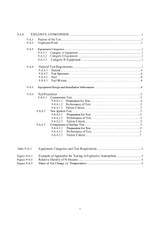
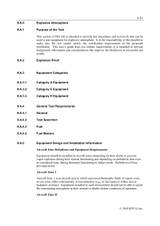
A major strength of RTCA DO-160G is that it is not limited to one narrow test category or one aircraft type. RTCA states that it covers the entire spectrum of aircraft, from light general aviation aircraft and helicopters through jumbo jets and supersonic transport categories. Current product descriptions also note that the document includes 26 sections and three appendices, with examples of covered test areas including vibration, power input, radio frequency susceptibility, lightning, and electrostatic discharge. That broad scope is exactly why DO-160G remains one of the most important standards in avionics environmental qualification and airborne equipment test planning.
This publication is especially valuable for organizations involved in airborne electronics, avionics qualification, environmental and EMC test planning, certification support, hardware design review, and aerospace compliance documentation. Because RTCA DO-160G is referenced by the FAA and recognized across the aviation industry, it is more than just a lab reference. It is a standard that directly supports how airborne equipment is designed, tested, documented, and accepted for aviation use.
At 542 pages, this is a substantial and highly practical technical standard. Current market listings show the G edition, published December 8, 2010, with 542 pages, which makes it a serious working reference for engineering offices, certification teams, and environmental test laboratories.
Why This Standard Matters
The RTCA DO-160G Environmental Conditions and Test Procedures for Airborne Equipment standard is a must-have reference for professionals who need a recognized basis for airborne equipment environmental qualification. It is especially well suited for:
Avionics and aerospace engineers
Environmental and EMC test laboratories
Certification and compliance teams
Aircraft equipment manufacturers and integrators
Design assurance and qualification specialists
Aerospace and aviation technical libraries
Product Features
Official RTCA DO-160G standard
G Edition
Published December 8, 2010
Focused on environmental conditions and test procedures for airborne equipment
Covers the full range of aircraft from general aviation and helicopters to jumbo jets and SST categories
Includes 26 sections and three appendices
Supports qualification testing for areas including vibration, power input, RF susceptibility, lightning, and electrostatic discharge
Strong addition to avionics, aerospace testing, and certification reference libraries
Product Details
Title: RTCA DO-160G Environmental Conditions and Test Procedures for Airborne Equipment
Edition: G
Published: December 8, 2010
Number of Pages: 542